Field notes: the submarket that broke ground on three million feet and called it tight
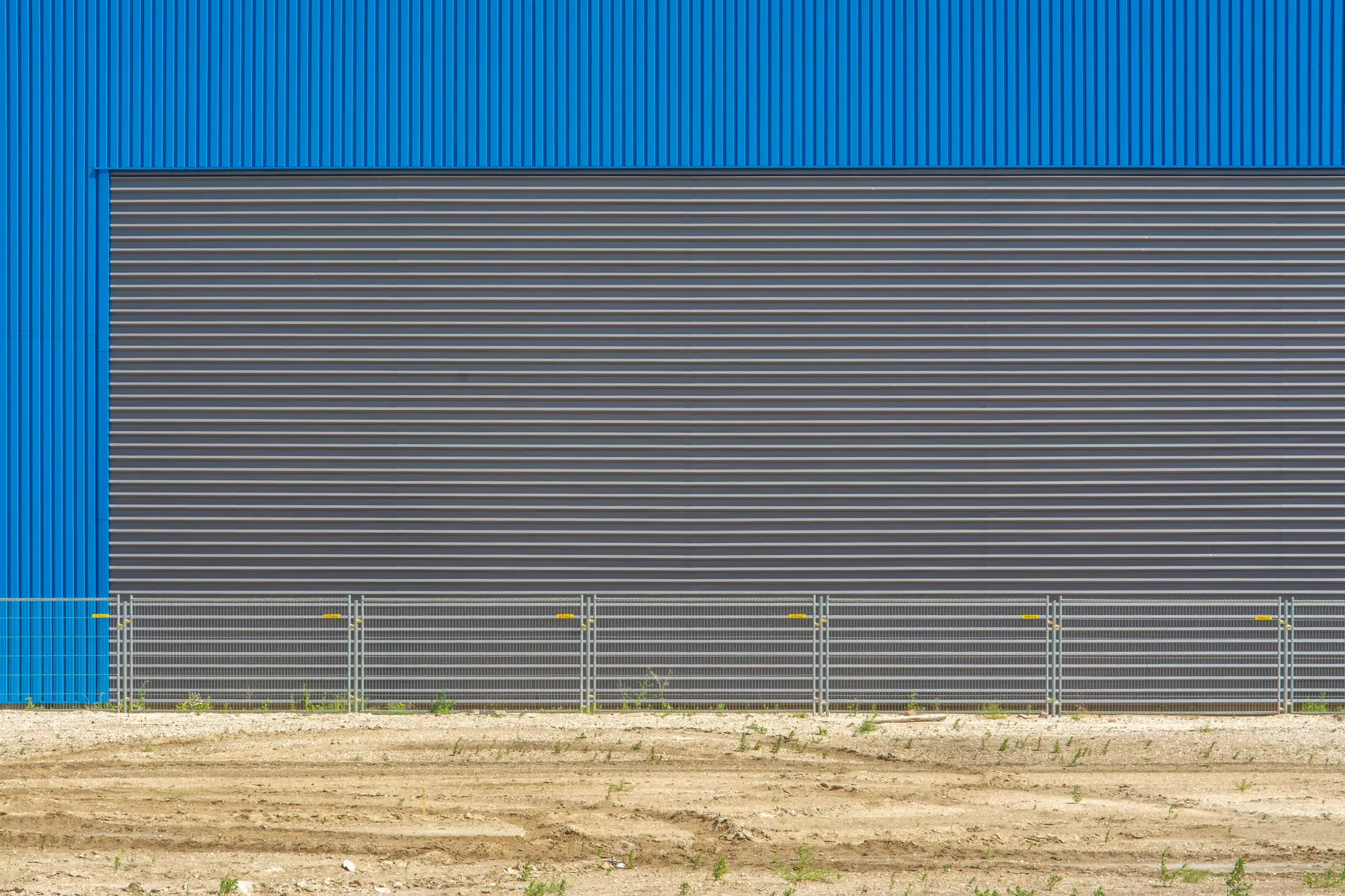
A broker on a call last month described a submarket as "still pretty tight," then mentioned, almost as an aside, that four spec buildings had broken ground there since spring. Add them up and you get a little over three million square feet of new shed under construction in a single quarter, in a market where the existing inventory base is maybe eighteen million. That's not a rounding error. That's a seventeen percent addition to the stock, and the word on the call was still "tight."
I don't think the broker was lying. I think the broker was describing last quarter's vacancy rate, which was indeed low, because none of those four buildings have hit the market yet. They're slabs and tilt-up panels right now, maybe steel going up on the first one. Vacancy doesn't move until a building gets a CO and sits empty, or gets leased before it finishes. Until then it's invisible to the metric everyone quotes and entirely visible to anyone driving the frontage road.
This is the gap that makes submarket calls go stale faster than anyone wants to admit. The published vacancy number is a photograph of what's finished and occupied. The pipeline is the thing that's going to set rents eighteen months out, and the pipeline lives in permit offices, broker decks, and dirt, not in the stat sheet your data provider sends every quarter. By the time a filing shows up in the news aggregator or the municipal permit log gets indexed, the foundation's already poured and the general contractor is three subs deep into the build.
Three million feet isn't a record for anyone tracking big-box corridors near a port or an interstate split. What stuck with me was the speed: four separate developers apparently reached the same conclusion about demand at roughly the same time, and none of them, as far as I can tell, acknowledged publicly what the other three were doing. That's the pattern that turns a tight market into a soft one over the space of two leasing cycles. Everyone underwrites to the current absorption trend, and nobody underwrites to the other three cranes they can't see from their own site.
The honest version of a submarket read right now has to hold two things at once: a vacancy rate that reflects buildings people can walk into today, and a shadow pipeline of buildings that will compete for the same tenant roster in twelve to eighteen months. Analysts who only track the first number are pricing risk on a lag. The ones who track the second are usually doing it by hand, cross-referencing permit filings, industrial park announcements, and whatever the regional paper picked up, which is slow and incomplete and misses the projects nobody bothered to put out a press release for.
Concrete pads and yard extensions are the more reliable tell, and they don't go through a filing cabinet at all. A slab shows developer intent before a broker ever puts out a quote, and it shows up on an imagery pass months before it shows up in a leasing report. That's the premise behind a project we run called Warehouse Footprints, a quarterly change layer built off high-res satellite passes that flags new large-format sheds and yard expansions as they go vertical, before anyone gets around to writing them up.
If you're underwriting anything in a submarket where a broker just told you it's tight, it's worth checking what's actually under roof a few miles down the road before you believe them.